Casting Foundry Innovations: The Way Technology Is Transforming Metal Casting
Casting foundry innovations are fundamentally altering the landscape of metal casting. Cutting-edge technologies and automation improve efficiency and accuracy, redefining conventional processes. Robotic systems optimize operations, while 3D printing unlocks unprecedented design opportunities. Additionally, real-time data analytics enhance operational workflows, fostering sustainability. Nevertheless, these innovations also present obstacles that require careful management. What impact do these breakthroughs hold for the sector and its path forward?
Overview of Innovations in Metal Casting
The field of metal casting has undergone significant transformations, propelled by innovations in technology and materials. Classical approaches have been elevated through the adoption of automation, which streamlines production processes and improves precision. Developments in computer-aided design (CAD) empower engineers to produce detailed patterns and components, decreasing material waste and improving overall efficiency. Moreover, the introduction of new alloys and composite materials has expanded the capabilities of metal casting, enabling the manufacture of lightweight and resilient components that address varied industry requirements.
In addition, improvements in pouring and melting techniques have enhanced energy efficiency and decreased emissions, contributing to ecological sustainability initiatives. Automation and artificial intelligence are also progressing, supporting real-time monitoring and quality control. As a whole, these developments are revolutionizing the metal casting industry, empowering manufacturers to deliver premium products while cutting costs and environmental effects.
The Emergence of 3D Printing: Revolutionizing Metal Casting
The incorporation of 3D printing into metal casting operations is transforming the industry by providing greater design flexibility. This advancement enables intricate geometries that were previously challenging to achieve. Moreover, it significantly reduces production time, optimizing the complete production workflow.
Greater Design Freedom
Innovative advancements in additive manufacturing technology have greatly enhanced design flexibility within the metal casting industry. This evolution enables designers to craft elaborate geometric structures that were previously unattainable with standard techniques. With additive manufacturing, complex internal configurations and lightweight designs can be produced without the boundaries associated with standard manufacturing tooling. Furthermore, the opportunity to accelerate iterations empowers design professionals to test multiple design configurations and material options, nurturing a culture of innovation and creative exploration. Therefore, manufacturers can manufacture tailored parts precisely matched to unique demands, culminating in enhanced performance and greater functionality. This shift towards enhanced design flexibility not only streamlines the creative process but also fosters teamwork among engineers and designers, paving the way for more sophisticated applications in multiple fields.
Decreased Production Time
Adopting 3D printing technology has considerably minimized production time in the metal casting industry. Conventional approaches often involve lengthy processes of pattern creation and mold production, which can hinder project timelines. However, 3D printing enables rapid prototyping and the direct creation of complex geometries, optimizing the entire workflow. By removing several intermediate steps, manufacturers can produce parts more quickly and effectively. This technology also enables just-in-time production, decreasing the need for large inventories and minimizing waste. As companies embrace 3D printing, they experience significant time savings, allowing for quicker response to market demands and a more flexible manufacturing process. Overall, the incorporation of 3D printing marks a revolutionary shift toward enhanced efficiency in metal casting.
Smart Automation: Optimizing Efficiency in Foundry Operations
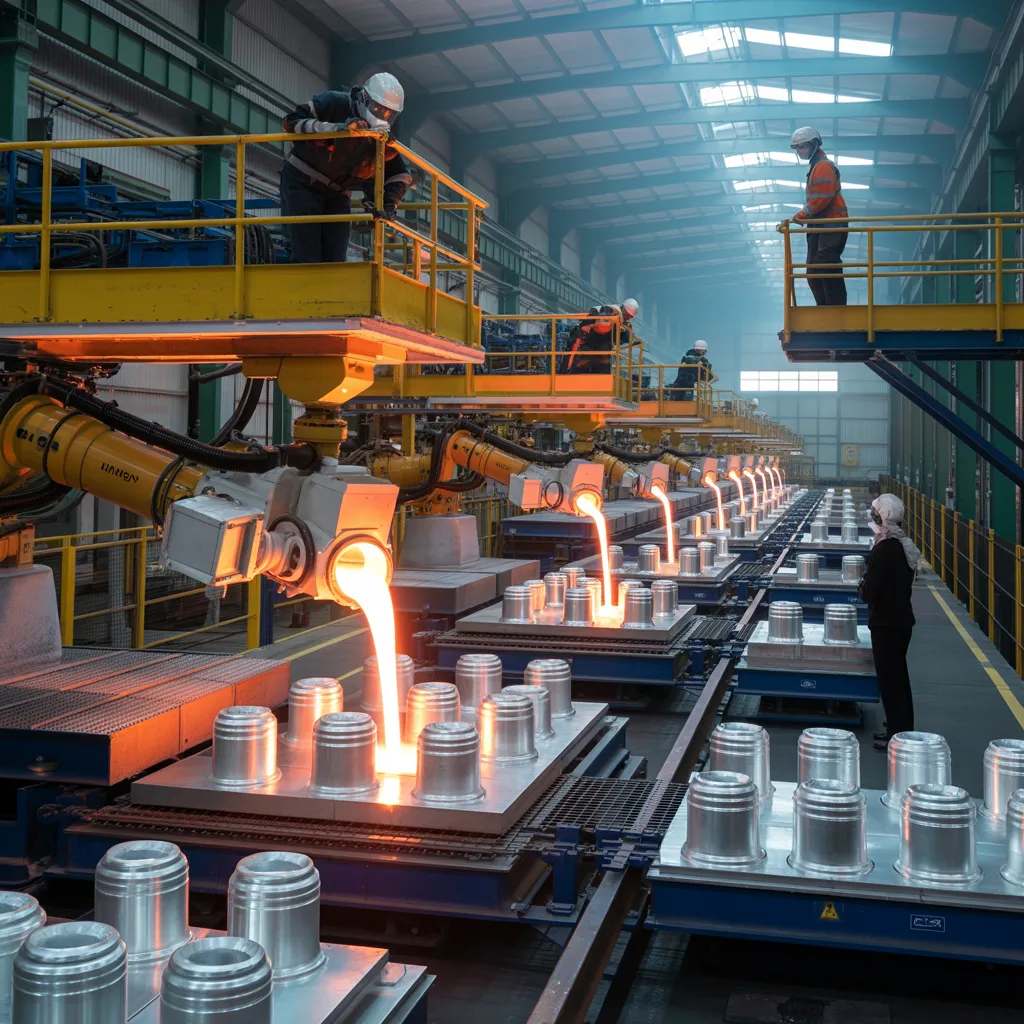
Utilizing intelligent automation revolutionizes foundry operations, driving significant improvements in efficiency and productivity. Sophisticated robotics and automated systems optimize various processes, spanning mold preparation through metal pouring, lowering manual labor requirements and reducing human error. Such technologies facilitate real-time monitoring and control, optimizing workflows and resource utilization.
Automated machinery are capable of running without interruption, facilitating greater production volumes and reliable precision in casting production. Furthermore, smart automation facilitates precise adjustments in response to shifting variables, enhancing operational dependability.
Incorporation of automated systems additionally enhances worker safety by reducing the need for workers in high-risk environments. This transition not only boosts operational effectiveness but also promotes a more environmentally responsible manufacturing approach, as energy consumption and material waste are reduced.
The Role of Data Analytics in Improving Decision-Making in Metal Casting
Data analytics transforms the decision-making process in metal casting by delivering insights that fuel operational enhancements and strategic development. By leveraging data from multiple sources, foundries can monitor production processes in real-time, detecting inefficiencies and potential areas of optimization. Predictive analytics allows manufacturers to anticipate machinery failures and servicing requirements, reducing downtime and optimizing productivity.
In addition, data analysis facilitates superior stock management, confirming that materials remain available at critical times while minimizing excess. This functionality enables well-considered choices about logistics within the supply chain and expenditure oversight. Advanced data visualization solutions simplify the presentation of complex information, empowering teams to make quicker, evidence-based decisions.
In the end, the implementation of data analytics nurtures a culture of continuous improvement in metal casting operations, driving higher quality products and enhanced competitiveness in the market. As the industry advances, leveraging data will become essential for foundries striving to stay competitive and drive growth.
Eco-Friendly Approaches in Metal Casting: Minimizing Waste and Energy
The incorporation of data analytics in metal casting not only improves decision-making but also opens the door to more sustainable practices. By harnessing real-time data, foundries can optimize production processes, thereby minimizing waste and energy consumption. Modern monitoring systems uncover inefficiencies in casting operations, allowing for immediate adjustments that reduce material waste and energy usage.
Moreover, the utilization of complete article recycled resources has become increasingly popular within the field. Manufacturing facilities are consistently using reclaimed metal, which not only reduces material expenses but also lessens the ecological footprint linked to extracting and processing virgin resources. Beyond this, advanced technologies such as digital fabrication facilitate the creation of production molds that demand reduced material input while optimizing overall production performance.
Together, such green initiatives represent a transformative shift in metal casting, emphasizing the industry's dedication to reducing its environmental impact while sustaining efficiency and competitive edge.
Navigating the Hurdles of Tech Adoption in Foundries
Managing the challenges of technological integration presents considerable difficulties for foundries, commonly obstructing their advancement in modernization. A key challenge is the significant initial expenditure required for advanced technologies, which can burden finances, particularly for smaller establishments. Additionally, the current staff may not possess the needed competencies to handle sophisticated equipment, necessitating expensive training programs. Opposition to new methods among employees can additionally hinder the implementation of modern solutions, as traditional approaches are deeply embedded.
Additionally, foundries are required to manage the merging of modern technologies with older infrastructure, which can cause integration challenges. Procurement challenges can also occur when sourcing advanced materials or components, compromising manufacturing schedules. Ultimately, the rapid pace of technological advancement makes it challenging for foundries to keep up, contributing to potential obsolescence of recent investments. Overcoming these hurdles is vital for casting facilities seeking to improve productivity and market standing in a rapidly evolving market.
Emerging Trends in Metal Casting Technologies
Navigating the complexities of technological advancement has underscored the need for foundries to explore cutting-edge methods in metal casting. Emerging trends suggest a shift towards automation, with robotics enhancing efficiency and precision in production lines. AI-driven analytics and machine learning are expected to revolutionize decision-making processes, enabling live monitoring capabilities and proactive maintenance. Additionally, the integration of additive manufacturing is anticipated to create new possibilities for lightweight designs and complex geometries, reducing material waste. Sustainability will also serve a critical function, as foundries increasingly embrace energy-efficient practices and sustainable materials. Moreover, the rise of smart foundries, harnessing the Internet of Things (IoT), promises enhanced connectivity and streamlined operations. As these trends progress, they will not only reshape operational potential but also establish metal casting as a key contributor in the next era of industrial production.
Commonly Asked Questions
What Materials Are Best Suited for 3D Printing in Metal Casting?
Aluminum, stainless steel, and titanium stand as top materials for 3D printing in metal casting. These materials provide superior strength, lightweight characteristics, and corrosion-resistant qualities, making them ideal for various industrial applications.
How Does Metal Casting Affect the Environment?
The metal casting process influences the environment through resource extraction, energy consumption, and emissions. However, developments in recycling initiatives and sustainable practices aim to reduce waste and enhance efficiency, possibly reducing harmful environmental impacts connected to conventional casting techniques.
What Are the Expenses Involved in Adopting New Technologies in Foundries?
Adopting modern systems in metalworking facilities involves costs associated with the purchase of machinery, training, regular upkeep, and expected periods of inactivity during upgrades. Such costs can be substantial, but may ultimately lead to greater overall efficiency and decreased long-term costs.
What Skills Are Needed for Workers in Modern Metal Casting Facilities
Professionals in today's metal casting facilities must possess skills in metallurgy, quality control, automation, and computer-aided design. Proficiency in handling state-of-the-art systems and comprehending technological advancements is critical for effective output and ensuring safety protocols.
What Effect Do Innovations Have on Traditional Metal Casting Techniques?
Breakthroughs improve traditional metal casting processes by increasing efficiency, precision, and automation. Advanced technologies simplify operations, decrease inefficiencies, and support sophisticated configurations, ultimately transforming the expertise and efficiency of metal foundries.